
What Makes Kerala Cuisine Different From Other Indian Food?
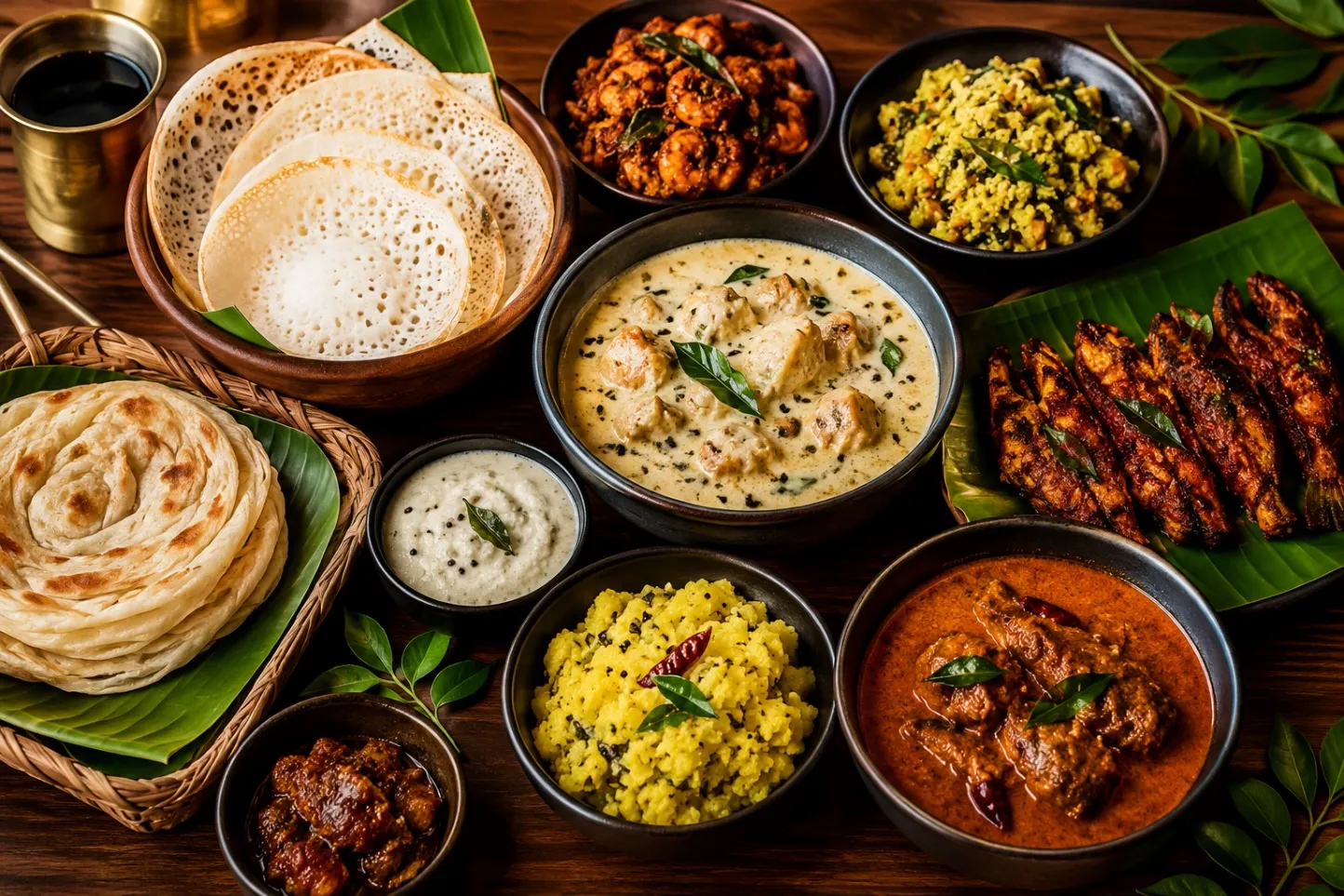
Indian cuisine is often discussed as though it were one cooking style, but food changes from one region to another. Climate, agriculture, religion, trade and local ingredients have shaped distinct traditions across the country. Kerala, on India’s south-western coast, has developed a recognisable food culture centred on coconut, seafood, rice, curry leaves and aromatic spices.
For diners exploring Indian food Leeds, understanding these regional differences can make a meal more interesting. Kerala cuisine is not simply a hotter or lighter version of familiar curry-house food. Its ingredients, textures and preparation methods give it an identity of its own.
Coconut Is Used in Several Ways
Coconut is one of the defining ingredients in Kerala cooking. It may be grated into vegetable dishes, ground into pastes, pressed into milk or used as coconut oil.
Coconut milk adds body and softness to stews and curries. Roasted coconut creates a deeper flavour, while freshly grated coconut provides texture. Kerala Tourism identifies coconut, black pepper, cardamom, cloves, cinnamon and nutmeg among the ingredients closely associated with the state’s cuisine.
This differs from many North Indian dishes that often use yoghurt, butter, cream or ground nuts for richness.
The Coast Shapes the Menu
Kerala’s long coastline and waterways have made seafood important to regional cooking. Fish, prawns, crab and mussels appear in dishes that vary between districts and communities. Official Kerala Tourism material notes that the state’s waters have supported a wide range of seafood traditions.
Common approaches include:
- Simmering fish in coconut milk
- Frying seafood with chilli and spices
- Adding tamarind or kokum for acidity
- Cooking fish with curry leaves and coconut
Seafood is therefore part of Kerala’s everyday culinary identity rather than an occasional speciality.
Curry Leaves Add Aroma
Curry leaves are often misunderstood outside South India. They are not the same as curry powder and are not merely decorative.
They are commonly added to hot oil with mustard seeds, chillies or other spices. This releases their aroma and spreads it through the dish. Their distinctive flavour is one reason Kerala food can smell noticeably different from many familiar British curry-house meals.
Pepper and Chilli Create Different Heat
Kerala has a long relationship with the spice trade, especially black pepper and cardamom. Pepper provides warmth and fragrance, while chilli offers more direct heat. A dish may therefore taste deeply spiced without being overwhelmingly hot.
Good Kerala cooking often balances:
- Heat from chilli or pepper
- Sourness from tamarind
- Richness from coconut
- Fragrance from curry leaves and whole spices
- Freshness from ginger or green chilli
This balance prevents one flavour from dominating the plate.
Rice Has a Central Role
Naan is strongly associated with Indian dining in Britain, but it is not the main accompaniment everywhere. Rice is central to Kerala meals and appears in several forms.
It may be served plainly with curries, prepared as biriyani or transformed into batter and flour-based foods. Appam, dosa, idiyappam and puttu each provide a different texture and way of carrying sauces. Kerala parotta is another popular accompaniment, although its layered structure differs from naan.
Vegetarian Cooking Matters Too
Kerala cuisine is sometimes introduced through fish and meat dishes, yet its vegetarian tradition is extensive. Lentils, beans, plantain, pumpkin, yam and other vegetables may be cooked with coconut, yoghurt or tempered spices. Kerala Tourism’s vegetarian collection includes dishes associated with the traditional sadya feast. Vegetable dishes are therefore central parts of the cuisine rather than secondary alternatives.
Small Plates Offer a Modern Way to Explore It
Kerala food was not historically created as Spanish-style tapas, but small plates offer a way to taste several regional flavours in one sitting. Diners can compare snacks, vegetables, seafood and curry-based dishes without choosing only one main course.
Kerala Canteen uses this sharing-led approach in Leeds. Its private-dining page describes South Indian tapas-style dishes designed for passing around the table, along with set menus featuring Kerala-style small plates and mains. This makes Indian tapas Leeds a useful way to introduce diners to the breadth of Kerala cuisine through a sociable meal.
Conclusion
Kerala cuisine differs from other Indian food through its coastal influences, varied use of coconut, aromatic curry leaves, rice-based staples and balance of pepper, chilli and sour flavours. Its dishes reflect local produce, community traditions and a long connection with the spice trade.
The cuisine is broader than seafood alone. Vegetable preparations, breads, rice dishes, snacks and curries all contribute to its character. By trying several dishes together, diners can appreciate how Kerala cooking moves between crisp, creamy, sour, fragrant and warmly spiced flavours. That variety is what makes it distinctive and offers something new to people who may know only a small part of India’s culinary landscape.


